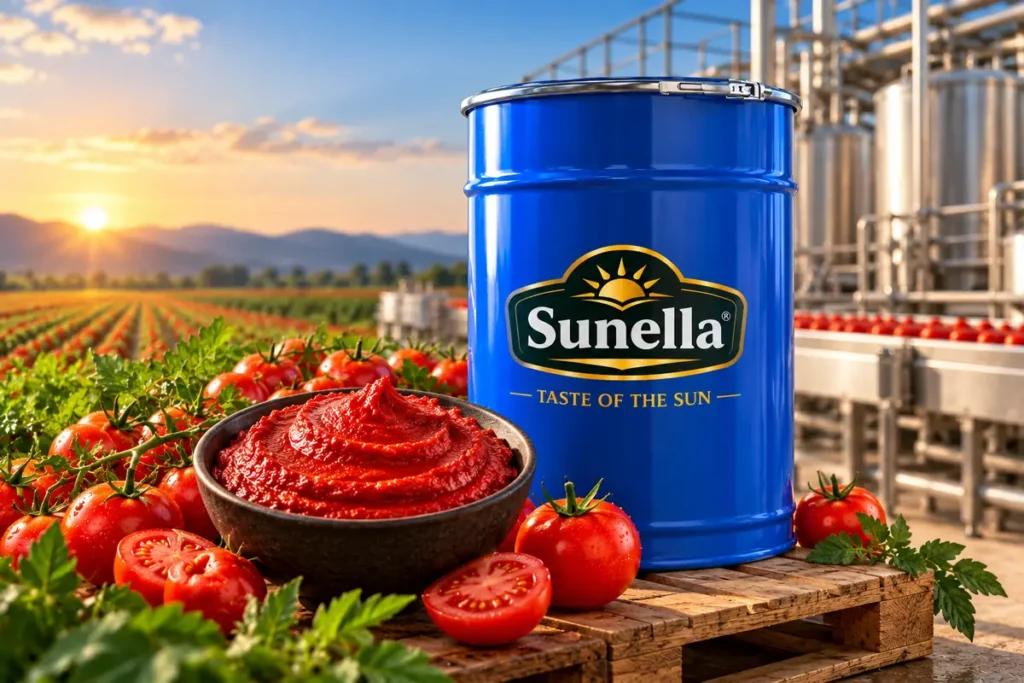
Aseptic Tomato Paste in Bulk Drum for Food Manufacturers

Aseptic Tomato Paste for Global Food Manufacturing: A Smart Choice for Bulk Buyers

Aseptic Tomato Paste in Bulk Drum for Food Manufacturers
Aseptic Tomato Paste Supplier & Bulk Export | JTB Plus

Aseptic Tomato Paste: A Reliable Bulk Solution for Global Food Manufacturers

For food manufacturers, importers, wholesalers and distributors, choosing the right aseptic tomato paste supplier is an important part of building a reliable food supply chain. Product consistency, technical specifications, packaging, commercial terms and shipment reliability can all influence production efficiency and purchasing costs.

Aseptic tomato paste is widely used as an industrial ingredient for manufacturing sauces, ketchup, soups, ready meals and many other tomato-based food products.

At JTB Plus, we understand that professional buyers need more than a simple price quotation. They need clear product specifications, transparent commercial communication and sourcing solutions suitable for international trade.
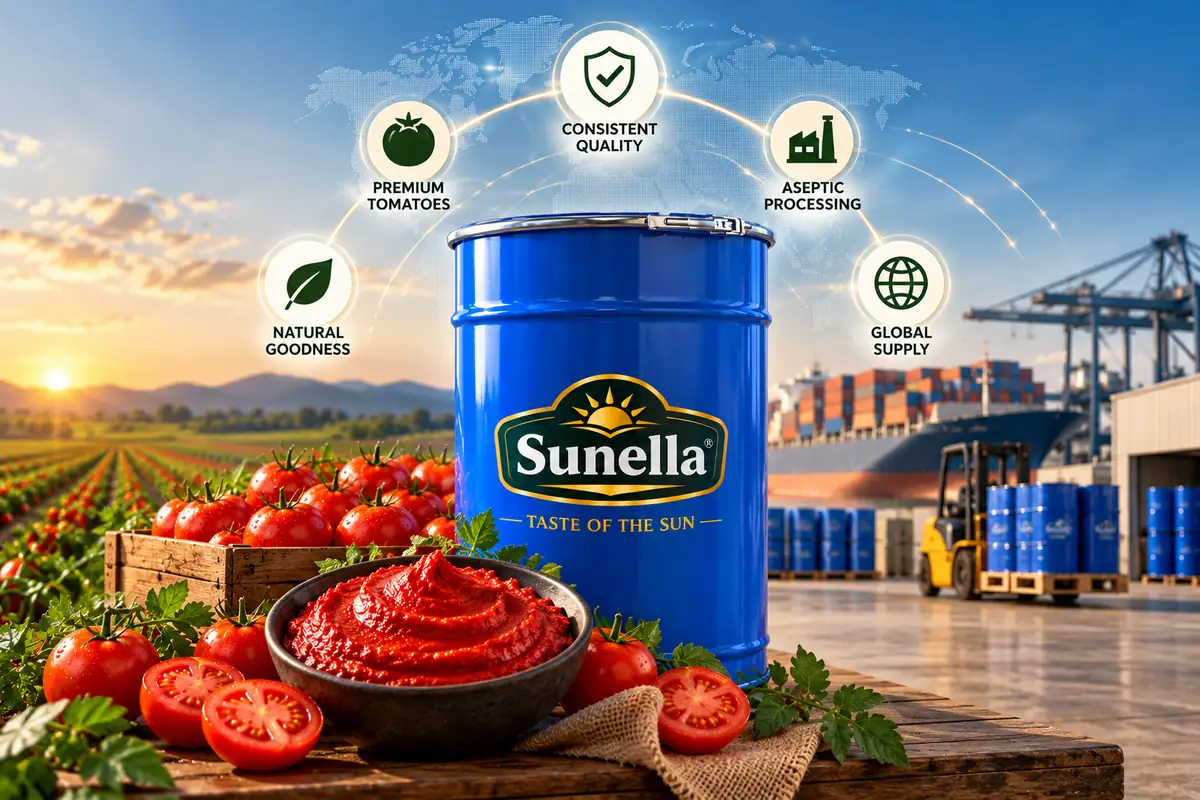
Aseptic Tomato Paste in Bulk Drum Packaging

What Is Aseptic Tomato Paste?

Aseptic tomato paste is a concentrated tomato product processed and packed under controlled conditions designed to protect the product after processing.

For industrial applications, the product is commonly packed in aseptic bags placed inside drums or other appropriate bulk packaging systems.

This packaging format makes aseptic tomato paste particularly suitable for food manufacturers and international buyers purchasing tomato concentrate in commercial quantities.

Professional buyers normally evaluate several technical characteristics before placing an order, including:

  • Brix / soluble solids
  • Color
  • Consistency and viscosity
  • Acidity and pH
  • Microbiological specifications
  • Packaging format
  • Net weight
  • Country of origin
  • Required certificates and export documentation

Why Is Aseptic Tomato Paste Important for the Food Industry?

Tomato paste is an important raw material across the global food-processing industry. Manufacturers need ingredients that can be incorporated efficiently into large-scale production while meeting their required technical specifications.

Aseptic packaging provides a practical solution for handling commercial quantities of concentrated tomato products and can support efficient storage, transportation and industrial processing.

Suitable for Industrial Production

Bulk aseptic tomato paste is suitable for companies requiring significant quantities of tomato concentrate as a raw material for continuous or high-volume food production.

Efficient International Transportation

Because tomato paste is concentrated, significant tomato solids can be transported in a relatively compact format compared with less concentrated tomato products.

Flexible Food Manufacturing Applications

Manufacturers can use tomato paste as a base ingredient and develop different formulations according to the desired taste, texture, color and characteristics of their final products.

Common Applications of Bulk Aseptic Tomato Paste

Industrial tomato paste can be used in a wide range of food manufacturing applications, including:

  • Tomato ketchup
  • Pizza sauce
  • Pasta sauce
  • Cooking sauces
  • Tomato-based canned foods
  • Soups
  • Ready meals
  • Condiments
  • Foodservice products
  • Private-label food products
  • Further industrial processing

The appropriate tomato paste specification depends on the manufacturer's production process and the characteristics required for the finished food product.
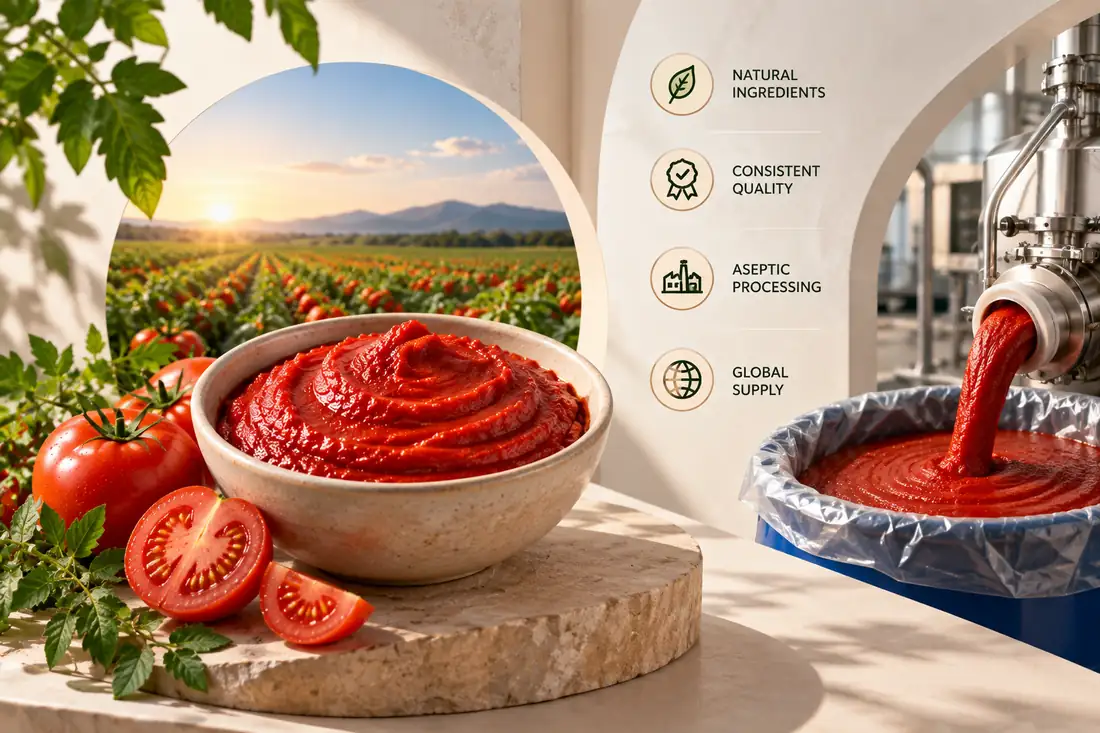
Aseptic Tomato Paste in Bulk Drum Packaging
" alt="Aseptic Tomato Paste in Bulk Drum Packaging" title="Aseptic Tomato Paste | JTB Plus" loading="lazy" decoding="async" style=" display: block; max-width: 100%; height: auto; margin: 0 auto; border-radius: 10px; " >

Understanding Brix in Aseptic Tomato Paste

One of the most important specifications discussed when purchasing bulk tomato paste is Brix.

Brix is commonly used in commercial tomato paste specifications as an indicator related to soluble solids and product concentration. Different industrial applications may require different concentration ranges.

However, professional buyers should not evaluate tomato paste based on Brix alone.

Other characteristics such as color, viscosity, acidity, microbiological parameters, processing requirements and packaging may also influence whether a particular product is appropriate for a specific manufacturing application.

Aseptic Tomato Paste Packaging for Export

Packaging plays an important role in the international trade of tomato paste because it influences product protection, warehouse handling, container loading and logistics efficiency.

A common industrial configuration consists of an aseptic bag placed inside a drum.

Exact packaging specifications, drum type, net weight and loading configuration should be confirmed before an international purchase is finalized.

Buyers contacting JTB Plus can provide their preferred packaging requirements together with the required quantity and destination so that the appropriate commercial options can be evaluated.

Tomato Paste and the Global Food Manufacturing Industry

Tomato-based ingredients are used across many areas of the international food industry, from industrial sauces and condiments to ready meals and private-label products.

Companies operating in the food sector often source multiple ingredients and finished products as part of a broader international supply strategy. Businesses interested in exploring additional food products and food-industry solutions can also visit Sunella Food , a website focused on products and opportunities within the food industry.

Building reliable relationships across the food supply chain can help importers, manufacturers and distributors improve procurement planning and develop more sustainable long-term sourcing strategies.

What Should You Check Before Buying Bulk Tomato Paste?

Purchasing decisions should not be made only by comparing the price per metric ton. Professional buyers should evaluate the complete technical and commercial offer.

1. Product Specification

Confirm the required Brix, color, viscosity, acidity, microbiological parameters and any other technical characteristics relevant to your manufacturing process.

2. Packaging

Confirm packaging type, net weight and loading configuration before placing an order.

3. Documentation

Determine which quality, commercial and export documents are required for your destination market and confirm their availability before finalizing the transaction.

4. Minimum Order Quantity

Confirm the minimum commercial quantity and determine whether the proposed order structure matches your purchasing requirements.

5. Incoterms

Always compare quotations based on clearly defined delivery terms. The Incoterm can significantly change the responsibilities and cost structure associated with an international transaction.

6. Destination

Providing the destination country and, when relevant, the destination port allows suppliers to prepare a more accurate commercial offer.

How to Compare Aseptic Tomato Paste Suppliers

Two tomato paste quotations may initially appear similar while representing different technical specifications, packaging, delivery conditions or commercial responsibilities.

Before comparing suppliers, ensure that quotations are based on comparable requirements:

  • Comparable Brix and technical specifications
  • Same or equivalent packaging
  • Comparable order quantity
  • Same Incoterm
  • Same destination
  • Required documentation
  • Comparable shipment schedule

Evaluating these factors gives procurement teams a clearer understanding of the commercial value represented by each offer.

Why Contact JTB Plus for Aseptic Tomato Paste?

Successful international food sourcing depends on accurate communication between buyers and suppliers.

Professional buyers need to understand exactly what product is being offered, its technical specifications, packaging, commercial conditions and shipment requirements.

JTB Plus works with commercial inquiries from food manufacturers, importers, wholesalers and distributors looking for sourcing solutions based on their specific purchasing requirements.

Send us your required product specification, quantity and destination so that your inquiry can be evaluated based on your actual commercial needs.

Looking for a Reliable Aseptic Tomato Paste Supplier?

If your company is currently sourcing aseptic tomato paste in bulk, send JTB Plus your purchasing requirements and request commercial information for your next order.

For a more accurate quotation, please provide:

  • Required Brix / technical specification
  • Required quantity
  • Preferred packaging
  • Destination country
  • Destination port
  • Preferred Incoterm
  • Expected purchasing schedule

Ready to discuss your next bulk tomato paste shipment?

REQUEST A COMMERCIAL QUOTATION

Contact JTB Plus today and send us your requirements for bulk aseptic tomato paste.

Frequently Asked Questions About Aseptic Tomato Paste

What is aseptic tomato paste?

Aseptic tomato paste is concentrated tomato product processed and packaged under controlled conditions and commonly supplied in bulk packaging for industrial food manufacturing applications.

Who buys aseptic tomato paste?

Typical buyers include food manufacturers, ketchup and sauce producers, importers, wholesalers, distributors, foodservice suppliers and companies involved in further tomato processing.

What information should I provide when requesting a quotation?

Provide your required Brix or technical specification, quantity, packaging preference, destination, preferred Incoterm and expected purchasing schedule whenever possible.

Is Brix the only important tomato paste specification?

No. Depending on the intended application, buyers may also need to consider color, viscosity, acidity, microbiological parameters, packaging and other technical characteristics.

Can aseptic tomato paste be supplied for international trade?

International supply arrangements depend on product availability, destination requirements, quantity and agreed commercial terms. Buyers should provide their destination and required specifications when requesting commercial information.

Leave a comment

Your email address will not be published. Required fields are marked *