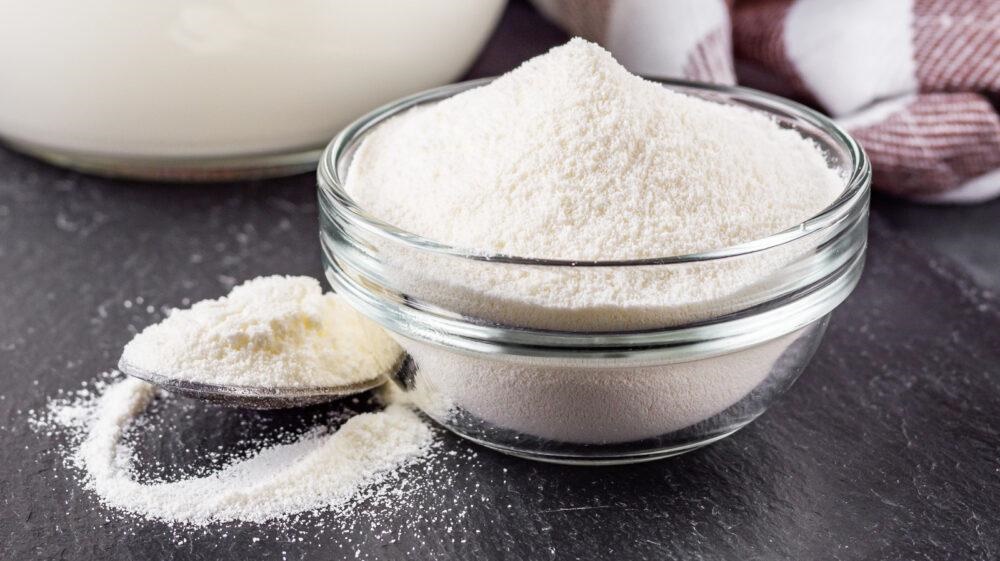
Industrial Milk Powder Market: Global Consumption, Top Importing Countries, and Future Demand Trends
When examining the global food and beverage sector,
**Industrial Milk Powder**—primarily Skimmed Milk Powder (SMP) and Whole Milk Powder (WMP)—stands out as a massive commodities giant. From the chocolate brands we enjoy to the infant formula that nourishes the next generation, these versatile
**dairy ingredients** serve as the invisible backbone of the modern food industry.
But what exactly makes industrial milk powder so valuable to the **dairy supply chain**, and which countries drive its global consumption? Let’s explore the dynamics of this essential market.
### What is Industrial Milk Powder and Why is It Essential?
Industrial milk powder is produced by removing water from pasteurized milk through a process called spray drying. Liquid milk is atomized into a fine mist inside a heated chamber, instantly evaporating the moisture and leaving behind a highly stable powder.
For food manufacturers worldwide, this ingredient offers unparalleled advantages:
* **Extended Shelf Life:** While liquid milk spoils within weeks, powder can be stored safely for over a year without refrigeration.
* **Optimized Logistics:** Removing water drastically reduces the weight and volume of the product, making it incredibly cost-effective to ship across global trade routes.
* **Functional Versatility:** It acts as an emulsifier, a source of high-quality protein, and a texture enhancer in everything from bakery items to processed foods.
### Major Markets: Some of the World’s Leading Consumers and Importers
Because dairy production requires vast amounts of arable land, water, and specific climates, many rapidly growing regions cannot produce enough fresh milk to meet local demand. Consequently, they rely heavily on international **milk powder importers** to close the gap.
Some of the world’s leading consumers and importers include:
#### China
China is widely recognized as one of the world’s largest importers and consumers of industrial milk powder. A massive population, rising middle-class incomes, and a booming bakery and confectionery sector drive this demand. Furthermore, consumer preference for internationally sourced dairy ingredients, particularly in the infant nutrition segment, continues to support strong import demand from New Zealand and the European Union.
#### Algeria
Algeria consistently ranks among the top global importers of Whole Milk Powder (WMP). Due to an arid climate that limits large-scale domestic dairy farming, the Algerian government actively supports milk powder imports to ensure the population has consistent access to affordable, recombined liquid milk and basic dairy staples.
#### Southeast Asia (Indonesia, Vietnam, Malaysia, & The Philippines)
Southeast Asia has emerged as a booming hub for industrial dairy consumption. Rapid urbanization and a structural shift toward packaged snacks, bakery goods, and ready-to-drink dairy beverages drive this region’s market. Local manufacturers utilize Skimmed Milk Powder (SMP) extensively to formulate condensed milk, ice cream, and affordable nutritional drinks.
#### Mexico
Mexico remains a primary destination for global dairy exports, particularly for US-sourced Skimmed Milk Powder. The country utilizes massive quantities of SMP in nationwide social nutrition programs that provide affordable milk to low-income families, as well as in its highly developed commercial cheese and yogurt manufacturing industries.
#### Other High-Growth Importers
Countries such as **Bangladesh**, **Nigeria**, and **Saudi Arabia** also represent vital nodes in the **global dairy market**, where population growth and industrial food processing drive steady, year-on-year increases in powder imports.
### Global Consumption At A Glance: Key Sectors
The utilization of industrial milk powder spans several major sectors within the global food supply chain:
| Industrial Sector | Primary Use Case |
| **Infant Formula** | High-quality, strictly regulated dairy ingredients for infant nutrition. |
| **Confectionery & Bakery** | Chocolate, biscuits, cakes, and desserts for flavor enhancement and browning. |
| **Recombined Dairy** | Liquid milk, yogurt, cheese, and dairy beverages in regions with low fresh milk supply. |
| **Food Processing** | Processed foods, sauces, culinary preparations, and nutritional products. |
| **Sports Nutrition** | Protein powders, shakes, and specialty lifestyle supplements. |
### The Future of the Industrial Milk Powder Market
As the global population continues to grow beyond 8 billion people, demand for stable and transportable protein sources is increasing steadily. While plant-based alternatives continue to expand, the functional properties and nutritional density of dairy powders keep them indispensable to food science.
Sustainability is also fundamentally reshaping the industry. Major dairy exporters in New Zealand, Europe, and North America are investing heavily in energy-efficient drying technologies and sustainability initiatives to reduce the environmental footprint of milk powder production, ensuring that this global staple meets modern ESG standards.
### Conclusion
Industrial milk powder remains one of the most important dairy ingredients in the global food supply chain. From infant nutrition and bakery manufacturing to recombined dairy products, its stability, affordability, and versatility make it indispensable for food producers worldwide. As emerging economies continue to expand and consumer demand for dairy-based nutrition grows, the global milk powder market is expected to remain a key driver of international dairy trade.
**Looking for reliable industrial dairy ingredient suppliers?** Contact our team to discuss sourcing solutions tailored to your business needs.