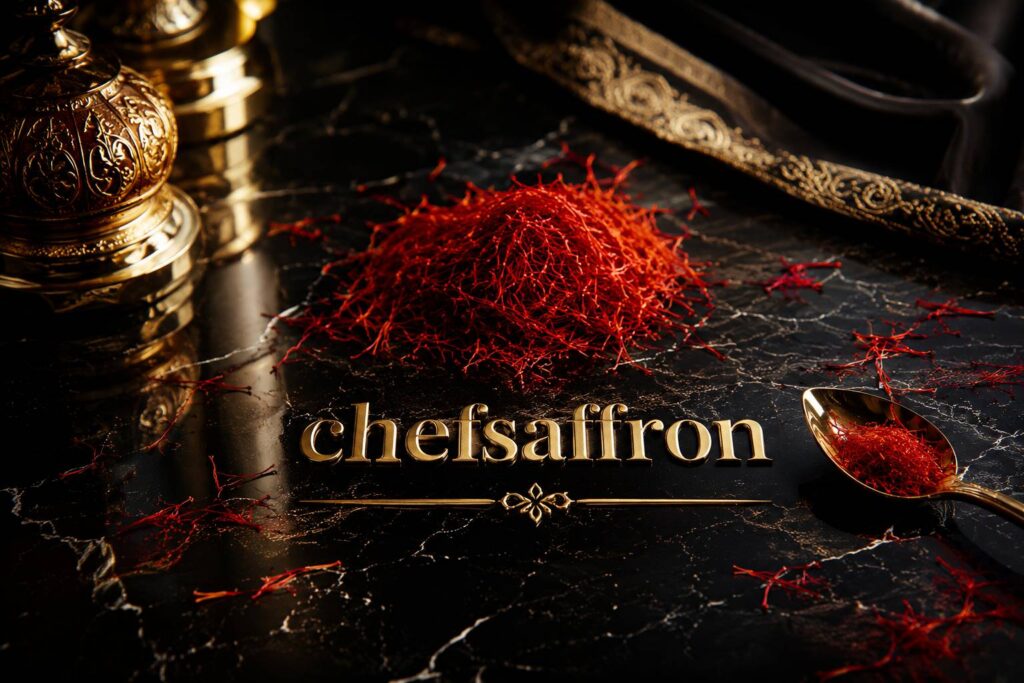
Authentic Iranian Red Gold, Directly from Khorasan Farms to Arab Tables
Authentic Iranian saffron, globally known as Red Gold, is one of the most valuable and prestigious agricultural products in the world. Its origin lies in the fertile lands of Khorasan, Iran, a region renowned for its unique climate, rich soil, and centuries-old farming expertise.
In Khorasan’s saffron farms, flowers are carefully hand-harvested at dawn, the moment when aroma and potency are at their peak. This traditional harvesting method, combined with precise drying and processing techniques, ensures a saffron that stands out for its exceptional color strength, intense aroma, and pure flavor.
Iranian saffron is more than a spice; it represents authenticity, luxury, and uncompromising quality. From home kitchens to fine dining restaurants, five-star hotels, and professional food industries, Khorasan saffron is the preferred choice for those who demand excellence.
Today, this authentic red gold is delivered directly from Khorasan farms to Arab markets, preserving its freshness and integrity. Across the Gulf region—including Saudi Arabia, the UAE, Kuwait, and Qatar—Iranian saffron is widely recognized as the benchmark of quality and is deeply integrated into traditional dishes, premium Arabic coffee, and high-end culinary creations.
Why Khorasan Saffron Is the Gold Standard in Arab Markets
Khorasan saffron has earned its reputation as the global benchmark of quality thanks to a unique combination of ideal climate conditions, fertile soil, and generations of agricultural expertise. The region’s hot, dry summers and cold winters create the perfect natural environment for producing saffron with exceptional potency and consistency.
One of the most critical indicators of saffron quality is color strength, measured by the international ASTA standard. Authentic Khorasan saffron typically achieves ASTA values above 250, delivering a deep, vibrant color that enhances dishes and beverages with minimal usage—an essential advantage for professional kitchens and foodservice operations.
Beyond its intense color, Khorasan saffron is prized for its strong aroma, balanced flavor, and fully red, unbroken threads. Free from artificial coloring, additives, or impurities, it is widely regarded as a pure and trustworthy ingredient in premium culinary applications.
Across the Gulf region, discerning buyers and chefs clearly recognize the difference between authentic Iranian saffron and lower-grade alternatives. As a result, traceability, origin transparency, and adherence to international export standards play a decisive role in the preference for Khorasan saffron in Arab markets.
From Harvest to Export:
The Journey of Authentic Iranian Saffron to Arab Markets
The final quality of saffron is determined not only by where it is grown, but also by how it is processed, dried, stored, and packaged. After the delicate hand-harvesting of saffron flowers in Khorasan farms, the stigmas are carefully separated to preserve their integrity and uniform appearance.
Drying is one of the most critical stages, as it directly affects color intensity, aroma, and shelf life. Export-grade Iranian saffron undergoes controlled drying methods that reduce moisture to optimal levels while maintaining its natural pigments and aromatic compounds.
Once processed, saffron destined for Arab markets is packed using export-standard packaging designed to protect it from light, humidity, and air exposure. Premium packaging not only safeguards quality but also enhances brand perception in high-end markets across the Gulf region.
In the HORECA sector—hotels, restaurants, and catering—Iranian saffron is the preferred ingredient for professional chefs due to its consistency and high performance. Its versatility in traditional Arabic dishes, modern culinary concepts, desserts, and specialty beverages reinforces its status as an essential premium ingredient.
Authenticity, Trust, and a Shared Future with Iranian Red Gold
In today’s competitive markets, true differentiation goes beyond product quality to include trust, transparency, and consistency. Authentic Iranian saffron delivered from Khorasan farms to Arab markets represents a reliable and traceable supply chain built on integrity and expertise.
Importers, hotels, and premium foodservice operators across the Gulf region seek long-term partnerships with suppliers who can consistently meet high standards and international export requirements. Reliable quality specifications, proper certification, and professional presentation are essential elements of that trust.
With sustainable production capacity and a proven track record, Khorasan saffron offers more than a premium ingredient—it provides a foundation for lasting collaboration and mutual growth. Choosing Iranian red gold means investing in a product that enhances brand value and delivers satisfaction to the end consumer.
The journey of Iranian saffron from Khorasan to Arab tables is more than a trade route; it is a connection between cultures, flavors, and enduring trust.
Using Authentic Iranian Saffron in Traditional and Modern Arabic Cuisine
Iranian saffron is also increasingly used in:
How to Identify and Choose High-Quality Authentic Saffron
The most important criteria include:
Khorasan Saffron and the HORECA Sector
Proper Storage of Saffron to Preserve Quality
Frequently Asked Questions About Iranian Saffron (FAQ)
Conclusion :
Authentic Iranian saffron from Khorasan is far more than a culinary ingredient; it is a symbol of quality, authenticity, and trust in Arab markets. From meticulous hand harvesting and precise processing to professional export standards, this red gold continues to set the benchmark for excellence. Whether used in traditional Arabic cuisine, premium beverages, or modern fine dining, Iranian saffron remains the preferred choice for those who demand uncompromising quality and consistency.
The long-form structure improves organic visibility, while the FAQ section supports featured snippet opportunities in search results. This content is particularly relevant for GCC markets, including the UAE, Saudi Arabia, Kuwait, and Qatar, and is suitable for both B2B and B2C audiences seeking premium saffron solutions.
One thought on “Authentic Iranian Red Gold, Directly from Khorasan Farms to Arab Tables”
From the heart of Khorasan to Arab markets, authentic Iranian saffron represents quality, heritage, and true red gold.
A valuable opportunity for wholesalers, importers, and distributors seeking premium saffron with reliable sourcing.
We believe direct farm-to-market connections can create lasting value and strong business opportunities across the region.