Tomato Paste: Complete Guide to Quality, Brix, Production, Packaging, and Bulk Supply
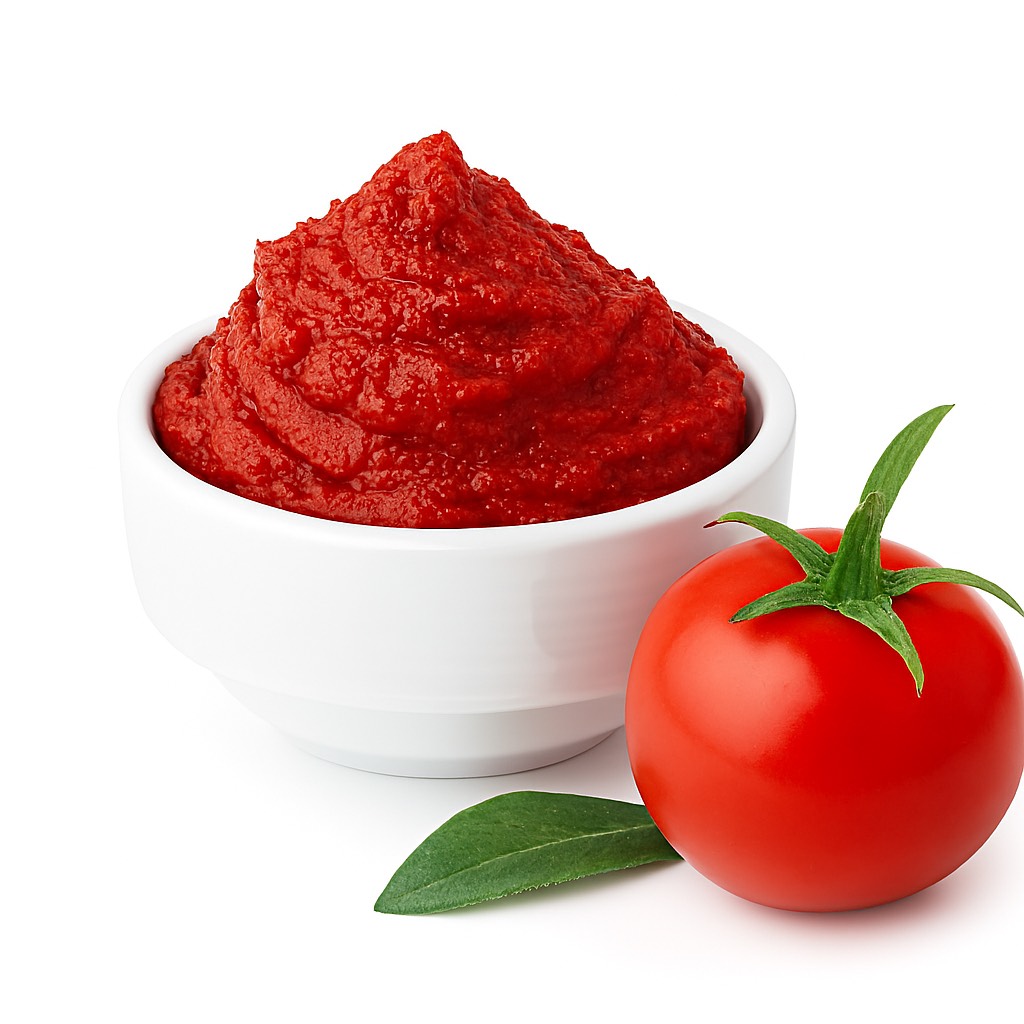
Tomato paste is one of the most essential ingredients in the global food industry. From ketchup, pasta sauce, pizza sauce, soups, and ready meals to industrial food manufacturing, tomato paste provides concentrated tomato flavor, natural color, consistency, and high tomato solids in a practical and cost-effective form.
For importers, distributors, wholesalers, retailers, restaurants, and food manufacturers, choosing the right tomato paste requires more than comparing prices. Important factors such as Brix level, tomato quality, processing method, viscosity, color, acidity, packaging, shelf life, food safety standards, and supplier reliability can directly affect the quality and profitability of the final product.
In this complete commercial guide, JTBPlus explains what tomato paste is, how it is produced, the difference between major specifications, how Brix affects product performance, common packaging options, industrial applications, and what professional buyers should consider before sourcing tomato paste in bulk.
What Is Tomato Paste?
Tomato paste is a concentrated tomato product made from ripe tomatoes that are washed, crushed, heated, refined, and concentrated by removing a large percentage of their natural water content.
The result is a thick, rich, and concentrated product with strong tomato flavor, deep red color, and a significantly higher percentage of tomato solids compared with tomato juice, tomato puree, or regular tomato sauce.
Tomato paste is widely used both as a consumer food product and as an industrial ingredient. It allows manufacturers to achieve consistent flavor, color, viscosity, and tomato solids without relying on large quantities of fresh tomatoes.
For B2B buyers, however, not all tomato paste is the same. Products may differ in Brix, processing method, viscosity, acidity, color, origin, packaging format, and technical specifications.
How IsTomato Paste Produced?
Commercial tomato paste production is a controlled industrial process designed to preserve tomato solids, natural color, flavor, and functional properties while reducing water content. The quality of the final product depends heavily on the quality of raw tomatoes and the efficiency of the production process.
1. Tomato Selection
Production begins with ripe tomatoes selected according to color, maturity, soluble solids, and overall quality. Tomatoes used for processing should be healthy, properly ripened, and suitable for industrial concentration.
2. Washing and Sorting
Fresh tomatoes are washed to remove soil, dust, and external contaminants. Sorting systems are then used to remove damaged, spoiled, or unsuitable tomatoes.
3. Crushing
The tomatoes are crushed into pulp. At this stage, the manufacturer may apply different temperature conditions depending on whether the product is intended to be Hot Break or Cold Break tomato paste.
4. Heating and Enzyme Control
Controlled heating plays an important role in defining the viscosity, texture, and final functionality of tomato paste. Different temperature profiles produce different product characteristics.
5. Refining
The tomato pulp passes through refining equipment to separate seeds, skins, and other unwanted materials. The result is a smooth tomato juice and pulp mixture suitable for further concentration.
6. Concentration
Water is removed through evaporation, often under vacuum, until the desired concentration or Brix level is reached. Vacuum systems help manufacturers concentrate tomato solids while controlling heat exposure.
7. Sterilization and Filling
The concentrated tomato paste is thermally treated and filled into suitable packaging. Industrial tomato paste is commonly packed aseptically, while retail products may be supplied in cans, jars, sachets, or other formats.
What Does Brix Mean in Tomato Paste?
Brix is one of the most important technical specifications in the tomato paste industry. It is commonly used to indicate the concentration of soluble solids in the product. In practical terms, a higher Brix usually means a more concentrated tomato paste with less water and more tomato solids.
Brix is especially important for industrial buyers because it affects formulation, transportation efficiency, production yield, and the amount of water that may need to be added during food manufacturing.
28–30° Brix Tomato Paste
28–30 Brix tomato paste is widely used in industrial food production. It can be suitable for sauces, soups, ketchup, ready meals, processed foods, and other tomato-based formulations.
36–38° Brix Tomato Paste
36–38 Brix tomato paste is more concentrated and contains a higher proportion of tomato solids. It may offer advantages for specific industrial applications, especially where transportation efficiency or concentrated raw material is required.
Higher Brix does not automatically mean higher quality. The ideal specification depends on the intended application, product formulation, desired viscosity, manufacturing process, and commercial requirements.
Hot Break vs. Cold Break Tomato Paste
One of the most important technical differences in tomato paste production is the processing method known as Hot Break or Cold Break.
Hot Break Tomato Paste
In Hot Break processing, crushed tomatoes are heated quickly at relatively high temperatures. This process reduces the activity of naturally occurring enzymes that break down pectin. As a result, Hot Break tomato paste generally has higher viscosity and thicker consistency.
Hot Break tomato paste is often selected for applications where body and thickness are important, including ketchup, thick sauces, and certain industrial formulations.
Cold Break Tomato Paste
Cold Break tomato paste is processed under different temperature conditions and generally provides a different viscosity profile. Depending on production conditions, it can also retain a fresher tomato character.
Cold Break paste may be suitable for products where the manufacturer prefers a lighter consistency or different flavor characteristics.
The correct choice should always be based on the final product specification rather than assuming that one process is universally superior.
What Determines the Quality of Tomato Paste?
Professional buyers should evaluate tomato paste according to several technical and sensory characteristics. Price alone is not a reliable indicator of quality.
Color
High-quality tomato paste generally has a strong and attractive red color. Tomato variety, ripeness, processing temperature, oxidation, and storage conditions can all affect color.
Flavor and Aroma
A good tomato paste should provide a clean and characteristic tomato flavor without undesirable burnt, fermented, metallic, bitter, or off-flavor notes.
Consistency and Viscosity
The ideal consistency depends on the final application. Ketchup manufacturers, sauce producers, soup manufacturers, and ready-meal processors may each require different viscosity characteristics.
Brix Level
Brix should remain within the agreed specification and should be consistent from shipment to shipment.
Acidity and pH
Acidity and pH can affect product flavor, stability, formulation, and manufacturing performance. Industrial buyers should confirm these parameters according to their own product requirements.
Microbiological Quality
Food safety is essential. Tomato paste intended for commercial food production should comply with relevant microbiological and hygienic requirements for the destination market and buyer.
Tomato Paste Packaging Options
Tomato paste is available in multiple packaging formats depending on whether it is intended for industrial, food-service, wholesale, or retail use.
Aseptic Tomato Paste
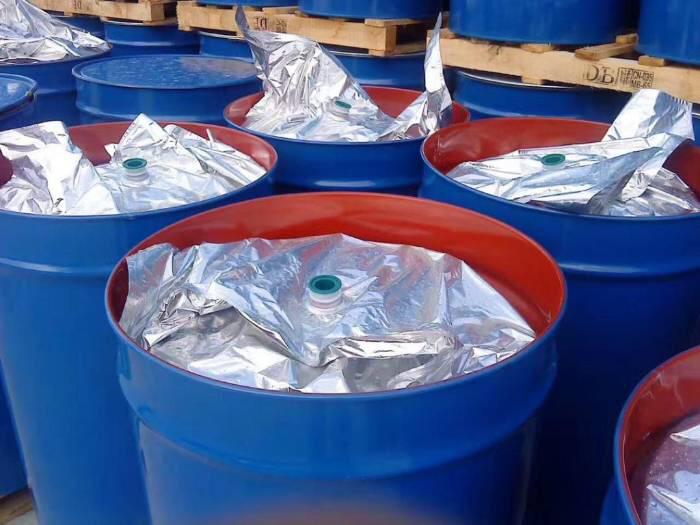
Aseptic packaging is one of the most important formats for bulk tomato paste. The product is sterilized and filled under controlled conditions into sterile bags, which are commonly placed inside drums.
Aseptic tomato paste is popular among food manufacturers because it can support efficient transportation, industrial handling, and large-volume processing.
Canned Tomato Paste
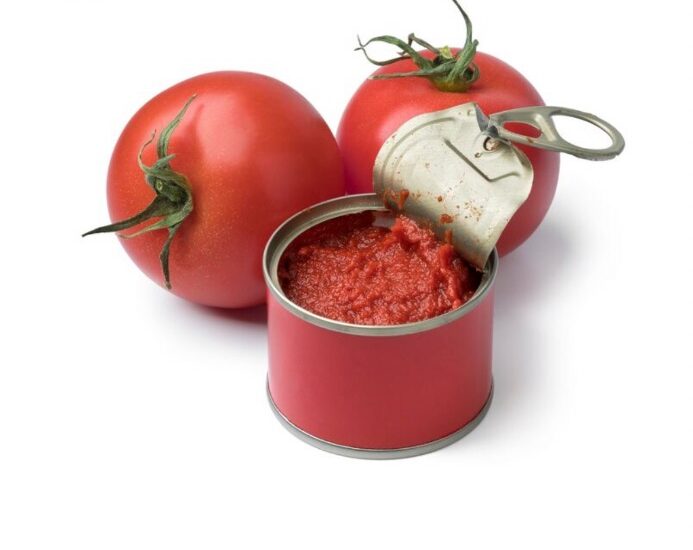
Cans are widely used in retail and food-service markets. Various can sizes may be offered depending on the supplier and destination market.
Glass Jars
Glass jars can be attractive for premium retail positioning and allow consumers to see the product directly.
Sachets and Flexible Packaging
Sachets and flexible packs may be suitable for single-use portions, restaurants, retail, and price-sensitive markets.
Main Industrial Applications of Tomato Paste
Tomato paste is a versatile ingredient used across many segments of the food industry. Common applications include:
- Ketchup production
- Pasta sauces
- Pizza sauces
- Tomato-based cooking sauces
- Soups and stews
- Ready-to-eat meals
- Canned foods
- Frozen foods
- Meat sauces
- Marinades
- Food-service products
- Industrial seasonings
- Processed food manufacturing
Its concentrated nature makes tomato paste especially valuable to manufacturers that require consistency, easy storage, predictable formulation, and reliable production performance.
Why Buy Tomato Paste in Bulk?
Bulk tomato paste purchasing can offer important commercial advantages for food manufacturers, distributors, wholesalers, and importers.
- Reduced packaging cost per kilogram
- Efficient international transportation
- Improved production planning
- Consistent raw material supply
- Better suitability for industrial manufacturing
- Potential economies of scale
- Flexible private-label and packaging opportunities
However, buyers should evaluate the total landed cost rather than only the supplier's initial quotation. Freight, packaging, customs duties, insurance, port charges, warehousing, and potential quality losses can all affect the real cost of the product.
How to Choose a Reliable Tomato Paste Supplier
Choosing a professional tomato paste supplier is critical for maintaining product consistency, reducing commercial risk, and protecting the buyer's supply chain.
Check Technical Specifications
Request a complete specification sheet covering Brix, processing method, color, viscosity, acidity, pH, microbiological parameters, ingredients, packaging, storage conditions, and shelf life.
Evaluate Samples
For significant commercial orders, buyers should test a representative sample before committing to large volumes. Ideally, the sample should also be tested in the buyer's actual food formulation.
Verify Production Capacity
Suppliers should be able to support the buyer's expected annual or seasonal volume. Lead time, minimum order quantity, production capacity, and supply continuity should be discussed before signing a long-term agreement.
Check Quality and Food Safety Systems
Professional suppliers should be able to provide relevant food safety, traceability, quality-control, and production documentation as required by the buyer and destination market.
Assess Export Experience
International food trade requires proper documentation, logistics coordination, labeling, and communication. An experienced exporter can reduce delays and administrative risk.
What Should Importers Ask Before Ordering Tomato Paste?
A professional Request for Quotation should include as much technical and commercial detail as possible.
- Required Brix range
- Hot Break or Cold Break
- Required viscosity
- Color specification
- pH and acidity requirements
- Packaging format
- Net weight per unit or drum
- Quantity required
- Minimum order quantity
- Shelf life
- Production date requirements
- Destination country
- Shipping terms
- Required food safety certificates
- Private-label requirements, if applicable
Providing clear specifications from the beginning makes quotations easier to compare and reduces the risk of purchasing a product that does not match the intended application.
Tomato Paste Storage and Shelf Life
Proper storage is essential for maintaining tomato paste quality. Unopened products should be stored according to the manufacturer's instructions, generally in a clean, dry environment away from excessive heat and direct sunlight.
Shelf life varies depending on processing method, packaging, storage conditions, and product specifications. Buyers should always confirm the manufacturer's declared shelf life before purchasing.
Once retail packaging is opened, tomato paste generally requires refrigeration and appropriate hygienic handling. Industrial aseptic products should be used according to the supplier's handling instructions after the aseptic package is opened.
Tomato Paste in International Trade
Tomato paste is an important product in international food trade due to its concentrated nature, long commercial shelf life, and widespread use in food manufacturing.
For global buyers, successful sourcing depends on a combination of product quality, competitive pricing, consistent specifications, reliable production, proper export documentation, and efficient logistics.
Import requirements can differ between markets. Buyers should verify food regulations, labeling requirements, customs documentation, product registration requirements, certificates, and local import standards before shipment.
Why Tomato Paste Quality Matters for Food Manufacturers
Tomato paste can directly affect the appearance, texture, flavor, production efficiency, and consistency of finished food products.
A variation in Brix, color, viscosity, or acidity can require manufacturers to adjust recipes, water ratios, processing times, or ingredient quantities. For high-volume production, even small variations can have a significant commercial impact.
This is why professional manufacturers usually prefer suppliers capable of maintaining consistent specifications across multiple batches and shipments.
JTBPlus and Professional Tomato Paste Supply
For buyers sourcing tomato paste for wholesale, distribution, food service, or industrial manufacturing, the purchasing process should combine technical evaluation with commercial and logistical considerations.
At JTBPlus, our objective is to help professional buyers identify suitable food products and supply solutions based on their required specifications, packaging, quantity, destination market, and commercial needs.
Whether you are looking for tomato paste for food manufacturing, wholesale distribution, private-label projects, or international trade, defining your technical requirements is the first step toward a reliable sourcing process.
Contact JTBPlus with your required Brix, packaging type, quantity, destination country, and application to receive commercial information based on your purchasing requirements.
Frequently Asked Questions About Tomato Paste
1. What is tomato paste made from?
Tomato paste is primarily made from ripe tomatoes that are washed, crushed, refined, and concentrated by removing a large amount of their natural water. Depending on the product specification, other ingredients may or may not be included, so buyers should always check the ingredient declaration.
2. What does Brix mean in tomato paste?
Brix is used to indicate the concentration of soluble solids in tomato paste. Higher Brix generally means a more concentrated product containing less water and more tomato solids.
3. What is the difference between 28–30 Brix and 36–38 Brix tomato paste?
36–38 Brix tomato paste is more concentrated than 28–30 Brix tomato paste. The correct choice depends on the intended formulation, viscosity requirements, production process, logistics, and commercial application.
4. What is Hot Break tomato paste?
Hot Break tomato paste is produced by heating crushed tomatoes relatively quickly at high temperatures. This method generally creates higher viscosity and is often selected for ketchup and thick sauce applications.
5. What is Cold Break tomato paste?
Cold Break tomato paste is produced using different temperature conditions and usually has a different viscosity profile compared with Hot Break paste. It may be preferred for applications requiring different texture or flavor characteristics.
6. What is aseptic tomato paste?
Aseptic tomato paste is processed and filled under controlled sterile conditions. It is commonly packed in aseptic bags inside drums and is widely used by industrial food manufacturers and bulk buyers.
7. How should tomato paste be stored?
Unopened tomato paste should be stored according to the manufacturer's instructions, generally in a clean and dry environment protected from excessive heat and sunlight. Opened retail products usually require refrigeration.
8. What industries use tomato paste?
Tomato paste is widely used by ketchup manufacturers, sauce producers, pizza manufacturers, soup companies, ready-meal producers, canned food manufacturers, restaurants, catering companies, and other processed food businesses.
9. What should I check before buying tomato paste in bulk?
Bulk buyers should check Brix, processing method, viscosity, color, acidity, pH, packaging, shelf life, food safety documentation, minimum order quantity, production capacity, logistics, and supplier reliability.
10. How can I choose a reliable tomato paste supplier?
A reliable supplier should provide clear technical specifications, consistent product quality, appropriate food safety documentation, representative samples, dependable production capacity, transparent commercial terms, and professional export support.
Looking for Tomato Paste for Wholesale or Industrial Supply?
If you are an importer, distributor, wholesaler, food manufacturer, or private-label buyer, JTBPlus can help you evaluate suitable tomato paste supply options based on your technical and commercial requirements.
Send us your required Brix, packaging type, order quantity, destination country, and application to discuss your sourcing requirements.
Contact JTBPlus for Tomato Paste Supply