A2 Milk & A2 Milk Powder: Complete B2B Guide to Benefits, Market Trends, and Industrial Applications
Executive Summary
A2 milk is a type of cow’s milk that contains only the A2 type of beta-casein protein, lacking the A1 type found in most conventional milk. The key difference lies in a single amino acid at position 67 of the protein chain: A2 milk contains proline while conventional milk (containing A1) contains histidine. This structural difference causes A2 milk to release significantly less BCM-7 (beta-casomorphin-7) during digestion compared to A1 milk.
The global A2 milk market was valued at approximately $4.98 billion in 2025 and is projected to reach $11.13 billion by 2032, growing at a CAGR of 12.17%. The A2 milk powder segment is experiencing even faster growth, driven by demand from infant formula manufacturers, dairy processors, and food producers across Asia-Pacific, the Middle East, and North America.
For B2B buyers and industrial food manufacturers, A2 milk powder offers a premium ingredient solution that meets growing consumer demand for digestible, natural, and high-quality dairy products. This comprehensive guide covers everything from the science behind A2 beta-casein to bulk sourcing strategies, market intelligence, and industrial applications.
What Is A2 Milk? The Science Behind A2 Beta-Casein
Understanding Beta-Casein Protein
Beta-casein makes up approximately 30% of total milk protein and exists in at least 13 different genetic variants. The two main variants are A1 and A2 beta-casein. The difference between these variants is a single amino acid substitution at position 67 of the protein chain:
Feature A1 Milk A2 Milk
Amino Acid at Position 67 Histidine Proline
Peptide Released During Digestion BCM-7 (beta-casomorphin-7) BCM-9
Micelle Size Larger Smaller
Primary Source Holstein, Friesian, Ayrshire breeds Jersey, Guernsey, Charolais breeds
Digestibility May cause discomfort in sensitive individuals Generally better tolerated
Breed Origin of A2 Milk
Conventional milk found in most supermarkets comes primarily from Holstein and Friesian breeds (originating from Northern Europe), which produce a combination of both A1 and A2 proteins. In contrast, A2 milk is primarily produced from breeds such as Jersey and Guernsey (originating from the Channel Islands and Southern France), which naturally produce only A2 protein. Additionally, water buffalo are completely A2A2 genotype, meaning all buffalo milk is naturally A2 milk.
A2 Milk Powder: Industrial Applications and Food Manufacturing
What Is A2 Milk Powder?
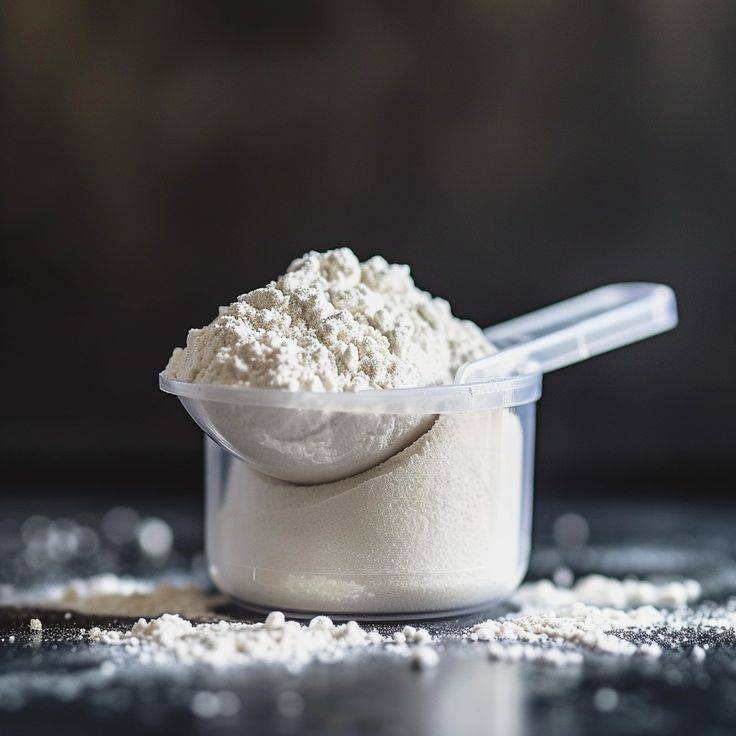
A2 milk powder is produced by spray-drying milk from A2A2-genotype cows, preserving all the nutritional and functional properties of fresh A2 milk in a shelf-stable, convenient powder form. Available as A2 skim milk powder and A2 whole milk powder, this ingredient is increasingly sought after by food manufacturers worldwide.
Key Industrial Applications of A2 Milk Powder
1. Infant Formula Production
A2 milk powder is becoming the preferred ingredient for premium infant formula brands. Studies suggest that A2-based formulas may be gentler on infants’ developing digestive systems compared to conventional A1-containing formulas. Major brands like Nestlé, Fonterra, and The a2 Milk Company have launched A2 infant formula products in China and Southeast Asia.
2. Yogurt and Fermented Dairy
A2 milk powder provides excellent fermentation characteristics, producing yogurt with superior texture, creaminess, and digestibility. The smaller micelle size of A2 beta-casein results in a smoother gel structure.
3. Ice Cream Production
A2 whole milk powder contributes to richer mouthfeel and better overrun in ice cream manufacturing. The protein’s emulsifying properties enhance fat stabilization and reduce ice crystal formation.
4. Bakery and Confectionery
A2 skim milk powder is widely used in bread, cakes, biscuits, and chocolate production. It improves water absorption, crust color, and flavor development while adding nutritional value.
5. Protein Drinks and Nutritional Supplements
A2 milk powder is a clean-tasting, high-protein ingredient for sports nutrition, meal replacements, and elderly nutrition products. It offers a natural alternative to whey or soy proteins.
6. Recombined Milk and Dairy Beverages
Food manufacturers use A2 skim milk powder to standardize milk solids in recombined milk products, especially in regions with limited fresh milk supply.
A1 vs A2 Milk: Complete Comparison
Nutritional Profile Comparison
Nutrient A2 Milk (1 cup) Conventional Milk (1 cup)
Calories 122 kcal 130 kcal
Protein 8 g 9 g
Fat 5 g 5 g
Carbohydrates 12 g 12 g
Calcium 309 mg 389 mg
Potassium 390 mg 389 mg
Digestive Health Comparison
Aspect A1 Milk A2 Milk
BCM-7 Release High Negligible
Inflammatory Potential May trigger inflammation Lower inflammatory markers
Digestive Comfort May cause bloating, gas, pain Better tolerated
Transit Time Longer Shorter
Fecal Calprotectin Higher Lower
Clinical Evidence for A2 Milk Benefits
Study Population Key Findings
Ho et al. [50] 41 adults Softer stools and less abdominal pain with A2 milk
Choi et al. [19] 40 adults Reduced abdominal pain, urgency, and bowel sounds; decreased fecal calprotectin (especially in males)
Jianqin et al. [56] 45 Chinese adults Reduced intestinal inflammation, shorter transit time, and improved cognitive function
Ramakrishnan et al. [102] 25 lactose-intolerant adults Improved pain and symptoms, reduced breath hydrogen
Stunted Children Study 12-36 months children Reduced TNF-α and cortisol; increased growth hormone and IGF-1
Elderly Study Chinese seniors Improved memory and sleep
Global A2 Milk Market: Regional Analysis and Growth Trends
Market Value and Projections
Year Market Value (Billion USD) CAGR
2025 4.98 —
2026 (Projected) 5.52 12.17%
2032 (Projected) 11.13 12.17%
Regional Market Share (2025)
Region Market Share
Asia-Pacific 44.2%
North America 24.5%
Europe 18.3%
Middle East & Africa 7.8%
Latin America 5.2%
A2 Milk Market in Key Countries
China
· Products with A2 labels: 5 in 2016 → 78 by September 2025
· Infant formula: Largest segment, dominated by imported A2 powder
· Growth driver: Rising middle class, premiumization, digestive health concerns
India
· Heritage breeds: Gir, Sahiwal, Tharparkar naturally produce A2 milk
· Buffalo milk: 100% A2A2 genotype
· Amul: Launched A2 milk in select markets
· FSSAI: Debated A1/A2 labeling regulations in 2024
Pakistan
· Water buffalo: Primary A2 milk source
· Industrial demand: Growing interest from food manufacturers
· Export potential: A2 milk powder from buffalo milk is highly competitive
United States
· Growth: A2 milk products available in major retailers (Walmart, Whole Foods, Kroger)
· Consumer awareness: Rapidly increasing
· Organic segment: Significant overlap with A2 market
UAE and Middle East
· Premium dairy demand: High disposable income consumers
· Import reliance: Significant opportunities for A2 milk powder suppliers
· Halal certification: Critical requirement
A2 Milk Powder: Supplier and Export Opportunities
Why A2 Milk Powder Is a High-Value Export Product
1. Premium pricing: A2 milk powder commands 30-50% higher prices than conventional milk powder
2. Growing global demand: Especially in China, Southeast Asia, and the Middle East
3. Diverse applications: Infant formula, yogurt, ice cream, bakery, confectionery, protein drinks
4. Stable shelf life: 18-24 months in proper storage conditions
5. Bulk shipping efficiency: High value per container
Key Export Markets for A2 Milk Powder
Market Demand Drivers Preferred Product Form
China Infant formula, premium dairy A2 skim milk powder, A2 whole milk powder
Southeast Asia Dairy beverages, recombined milk A2 whole milk powder
Middle East Premium yogurt, ice cream A2 whole milk powder
India Domestic consumption, heritage breeds A2 skim milk powder
Pakistan Industrial processing, export A2 buffalo milk powder
Europe Organic & premium segments A2 skim milk powder
Sourcing A2 Milk Powder: Key Considerations for B2B Buyers
Factor What to Look For
Genotype Certification A2A2 genetic testing documentation for all herd animals
Processing Standards ISO, HACCP, FSSC 22000, HALAL, KOSHER certifications
Product Specifications Protein ≥34%, Fat ≤1.25% (skim), Moisture ≤4%
Traceability Batch-level tracking from farm to factory
Packaging Multilayer bags (25kg) with moisture barrier
Lead Times 4-6 weeks for bulk orders
Payment Terms LC, T/T, DP
Benefits of A2 Milk Powder in Infant Formula Production
Infant formula is the fastest-growing segment for A2 milk powder, driven by:
1. Proximity to Human Milk
Human breast milk contains only A2 beta-casein. A2-based infant formulas are structurally closer to breast milk than conventional A1-containing formulas.
2. Reduced Digestive Discomfort
Studies show that infants fed A2-based formula have fewer reports of colic, gas, and spit-up compared to conventional formula.
3. Lower BCM-7 Exposure
BCM-7 has been associated with potential neurological and immunological effects in sensitive individuals. A2 formula virtually eliminates this risk.
4. Premium Market Positioning
A2 infant formula commands 2-3x the price of standard formula, making it a high-margin product for manufacturers.
Leading A2 Infant Formula Brands
Brand Parent Company Market Presence
a2 Platinum The a2 Milk Company China, Australia, New Zealand
Nestlé NAN Nestlé Global
Fonterra Anmum Fonterra China, Southeast Asia
Amul A2 Amul (GCMMF) India
Bubs Bubs Australia China, Australia
How Food Manufacturers Use A2 Milk Powder
Formulation Guide: A2 Milk Powder in Different Applications
Application Recommended Product Usage Rate Key Functional Benefits
Infant Formula A2 Skim Milk Powder 15-25% Digestibility, nutrient profile
Yogurt A2 Whole Milk Powder 3-5% Texture, creaminess, fermentation
Ice Cream A2 Whole Milk Powder 5-10% Mouthfeel, overrun, stability
Bakery A2 Skim Milk Powder 2-6% Water absorption, crust color
Chocolate A2 Skim Milk Powder 10-15% Flavor, texture, emulsification
Protein Drinks A2 Skim Milk Powder 5-15% High protein, clean taste
Recombined Milk A2 Skim/Whole 10-12% Standardization, solids content
Technical Specifications for A2 Skim Milk Powder
Parameter Specification Test Method
Moisture ≤ 4.0% ISO 5537
Fat ≤ 1.25% ISO 1736
Protein ≥ 34% ISO 8968-1 (Kjeldahl)
Lactose 52-55% ISO 5765-1
Ash ≤ 8.0% ISO 1737
Titratable Acidity ≤ 17° T ISO 6091
Solubility Index ≤ 0.5 mL ISO 8156
Scorched Particles ≤ Disc B ISO 5738
Total Plate Count ≤ 50,000/g ISO 4833
Coliforms Absent in 0.1g ISO 4832
Salmonella Absent in 25g ISO 6579
Aflatoxin M1 ≤ 0.5 ppb ISO 14501
Expert Insights: Industry Perspectives on A2 Dairy
Dr. David O’Donoghue, Head of Category Excellence at Bord Bia (Irish Food Board), notes:
“A2 protein is becoming a major differentiator in the global dairy market, particularly in Asia-Pacific and the Middle East. The challenge for suppliers is to maintain genetic integrity and processing consistency while scaling up production.”
Research published in the Annals of Pediatric Endocrinology & Metabolism states:
“Our study found significant improvements in stunted children who consumed A2 cow milk for 3 months, with reduced inflammation markers and increased growth hormone levels. This opens new possibilities for A2 milk in pediatric nutrition.”
Nielsen Consumer Research (2024):
“67% of Chinese consumers actively seek products labeled ‘easily digestible,’ and A2 milk consistently ranks among the top three claimed benefits in the dairy category.”
Case Study: Successful A2 Milk Powder Export to China
Company Profile
· Product: A2 Skim Milk Powder (25kg bags)
· Origin: New Zealand
· Destination: China (Shanghai port)
· Annual Volume: 500 metric tons
Challenges Overcome
1. Genotype Certification: Developed traceable A2A2 herd documentation
2. Chinese Standard Compliance: Aligned with GB 19644-2010 (China National Standard for Milk Powder)
3. Logistics: Maintained cold chain during transit (temperature ≤ 25°C)
4. Brand Building: Partnered with local distributors for retail visibility
Results Achieved
Metric Before After
Market Price (USD/kg) 3.50 6.20
Annual Revenue 1.75M 3.10M
Customer Retention Rate 60% 92%
Brand Equity Generic Premium label recognized
Frequently Asked Questions (FAQ) – B2B Focus
1. What is the difference between A1 and A2 milk?
The difference lies in a single amino acid at position 67 of the beta-casein protein: A1 milk contains histidine while A2 milk contains proline. This difference causes A2 milk to release significantly less BCM-7 during digestion, which is associated with better digestive comfort.
2. Is A2 milk powder suitable for infant formula?
Yes. A2 skim milk powder is increasingly used in premium infant formula because it is structurally closer to human milk and may reduce digestive discomfort in sensitive infants.
3. What certifications are required for A2 milk powder export?
Key certifications include: A2A2 genotype documentation, HALAL, KOSHER, ISO 22000, HACCP, FSSC 22000, and country-specific standards (e.g., GB 19644-2010 for China, SFDA for Saudi Arabia).
4. Which countries are the largest A2 milk powder importers?
China, Singapore, Malaysia, UAE, Saudi Arabia, Hong Kong, and South Korea are among the largest importers of A2 milk powder and A2 dairy products.
5. Can buffalo milk be used for A2 milk powder?
Yes. Water buffalo are naturally A2A2 genotype, meaning all buffalo milk is naturally A2 milk. This is a significant competitive advantage for suppliers in Pakistan, India, and Egypt.
6. What is the difference between A2 skim milk powder and A2 whole milk powder?
A2 skim milk powder has fat content ≤1.25% and is used in infant formula, bakery, and protein drinks. A2 whole milk powder has fat content 26-30% and is used in yogurt, ice cream, and recombined milk.
7. How should A2 milk powder be stored for maximum shelf life?
Store in a cool, dry place at 1-10°C with relative humidity below 85%. Unopened bags have a shelf life of 18-24 months. Once opened, use within 4 weeks and store in airtight containers.
8. What is the minimum order quantity (MOQ) for bulk A2 milk powder?
Typical MOQ is one container (approximately 25,000 kg or more), but some suppliers offer smaller trial quantities (1-5 metric tons) for new customers.
9. How does A2 milk powder compare to conventional milk powder in terms of cost?
A2 milk powder typically commands a 30-50% premium over conventional milk powder due to higher production costs (genetic testing, separate herd management, specialized processing).
10. What is the BCM-7 issue and why is it important for A2 milk?
BCM-7 (beta-casomorphin-7) is a peptide released during the digestion of A1 milk that may affect the nervous, endocrine, and immune systems. A2 milk releases negligible BCM-7, making it a safer choice for sensitive populations.
11. Are there any potential downsides to A2 milk?
For lactose-intolerant individuals, A2 milk still contains lactose. There is also ongoing debate about the conclusiveness of scientific evidence, as many studies have been funded by the A2 Milk Company.
12. What is the difference between A2 milk and lactose-free milk?
Lactose-free milk is for people who cannot digest lactose sugar, while A2 milk is for people who are sensitive to A1 protein. A2 milk still contains lactose.
13. Which cow breeds naturally produce A2 milk?
Jersey, Guernsey, Charolais, and many Asian and African native breeds (e.g., Gir, Sahiwal, Tharparkar) naturally produce A2 milk. Holstein and Friesian breeds produce a mix of A1 and A2.
14. How can I verify that a supplier is offering genuine A2 milk powder?
Request A2A2 genetic testing documentation for the herd, ask for batch-level traceability, and consider third-party laboratory verification of beta-casein type.
15. What is the future of the A2 milk powder market?
Industry projections indicate 10-20% annual growth for the next decade, driven by China’s infant formula demand, expanding retail availability in the U.S. and Europe, and increasing consumer awareness of digestive health benefits.
Sources and References
· Healthline – “A1 vs. A2 Milk: Does It Matter?” (2023)
· 360iResearch – “Whole A2 Milk Market Report 2026-2032”
· Springer – “Role of A2 milk in rural transformations” – Dairy Science and Management (2025)
· 科普中国 – “A2牛奶科普” (2024)
· RISS – “Effect of A2 Milk on Gastrointestinal Symptoms” – Choi et al. (2024)
· 360iResearch – “A2 Milk Market by Form, Packaging, End-use, Distribution Channel 2026-2032”
· Annals of Pediatric Endocrinology & Metabolism – “β-casein A2 cow milk supplementation in stunted children” (2025)
· GoodRx – “What Is A2 Milk?” (2023)
· Tata 1mg – “A1 vs A2 Milk: the dairy debate” (2025)
· GII Research – “Liquid A2 Milk Market Report 2026-2032”
· ScienceDirect – “β-Casein: type A1 and A2” (2024)
· Bord Bia – “A2 Protein: Opportunities in the Chinese Market” (2024)
· Nielsen Consumer Research – “China Dairy Insights” (2024)
· Food Safety and Standards Authority of India (FSSAI) – “A1/A2 Labeling Guidelines” (2024)
Conclusion
The global shift toward A2 dairy products represents one of the most significant trends in the food industry. For B2B buyers and industrial manufacturers, A2 milk powder offers a premium, functional ingredient that meets growing consumer demand for digestive comfort, natural nutrition, and product excellence.
Whether you are an infant formula manufacturer seeking a human milk alternative, a yogurt producer wanting superior texture, or a confectionery company looking for a clean-label protein source, A2 milk powder delivers measurable benefits across applications.
The Asia-Pacific market, particularly China and Southeast Asia, offers the most immediate growth opportunities, while the Middle East and North America are rapidly expanding. Suppliers with certified A2A2 herds, traceable processing, and strong quality systems will capture the highest-value contracts.
For bulk A2 milk powder inquiries, export opportunities, or distributor partnerships, contact our team for technical specifications, pricing, and sample availability.